
In New Orleans, every street has a story to tell. It was a fitting backdrop for the National School Public Relations Association’s (NSPRA) 2026 National Seminar. From July 19–22, more than a thousand school communicators filled the streets of the Big Easy. It’s a job where they spend most of the year celebrating everyone else’s accomplishments. But for one week each July, they come together to celebrate one another—sharing ideas, swapping stories, learning from colleagues, and having a little fun.
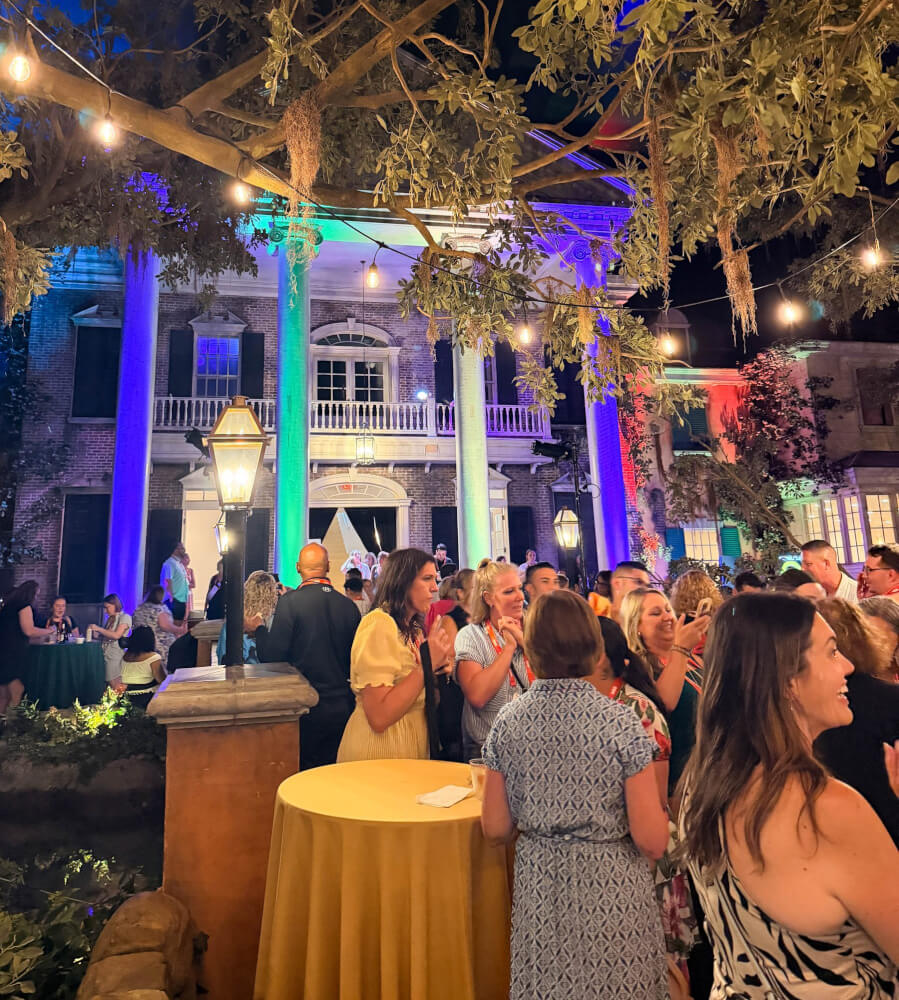
Attendees quickly learned that asking where to find the best beignets is a great way to start a friendly debate. They sampled gumbo and other Cajun classics, explored Mardi Gras floats at the opening reception, and watched cruise ships, paddle boats, and cargo vessels drift along the Mississippi from hotel windows. By week’s end, Tropical Storm Bertha threatened to rearrange travel plans, but if there’s one thing school communicators know how to do, it’s pivot.
The celebration was well earned. School PR professionals continue to face growing expectations, tighter budgets, evolving technology, and increasing pressure to build trust within their communities. Yet the conversations throughout NSPRA made one thing clear: school public relations keeps moving forward. The role is becoming more strategic, more collaborative, and more essential to the future of public education than ever before.
There’s Such a Thing as Too Much Communication
Not long ago, school communicators faced the challenge of convincing leadership and staff to embrace emerging communications tools. They fought to create social media pages, invest in two-way communications platforms, and get everyone to participate. Now, in many districts, the script has flipped entirely.
Every program, club, and classroom wants its own social media page, and at the same time, families are getting overwhelmed with notifications at all hours from two-way communication tools layered on top. That enthusiasm comes with a cost. When a school’s audience is split across dozens of social media accounts, none of them get much attention. Families end up needing multiple apps just to keep track of one kid’s activities, and that fatigue leads to parents who quietly stop checking any of them.
The fix communicators are rallying around is centralizing the audience while keeping the contributors. A handful of well-run, district-supervised pages can still carry dozens of voices and programs, giving families one place to look while giving communicators the security and consistency their role requires. The goal is creating more defined channels for communication: reminders and logistics belong in direct communication tools, while social media is reserved for storytelling and celebration.
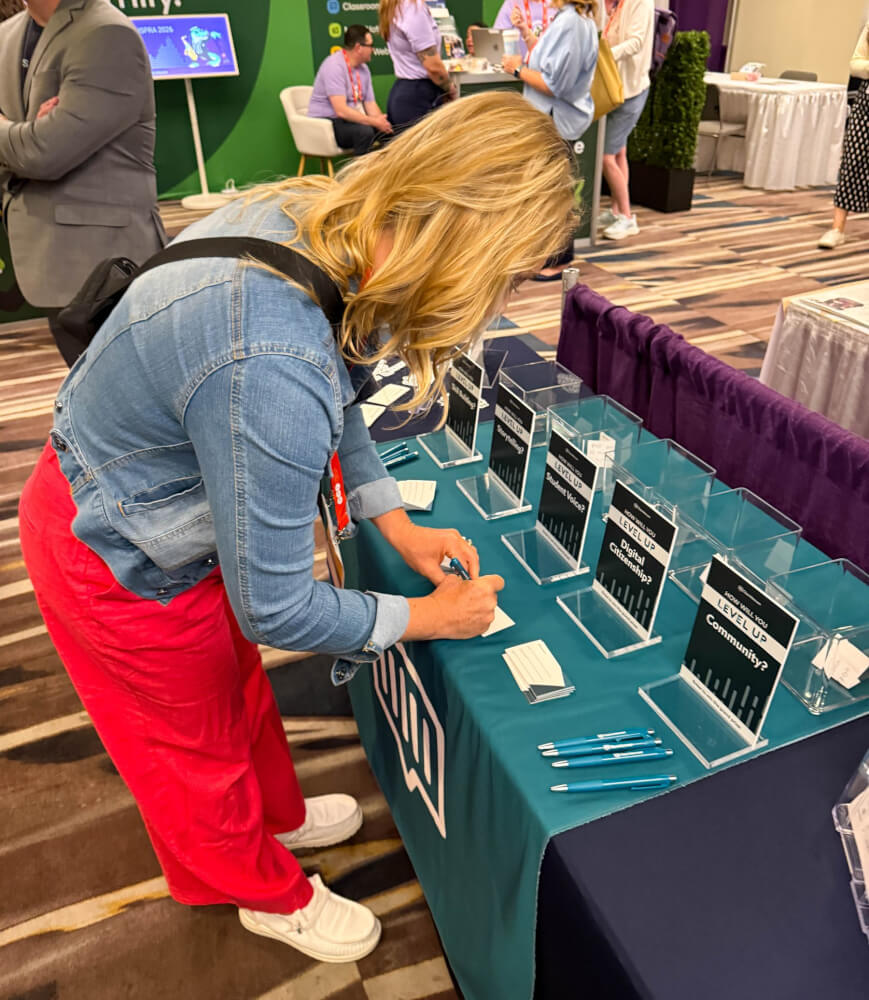
This push toward more strategic communication is one example of how school PR pros are leveling up. At the Class Intercom booth, that was a central theme. Attendees were invited to share how they were leveling up this year, whether that meant strengthening student voice, sharpening storytelling, or building a more unified sense of community. The answers varied, but emphasized that school communicators are constantly looking for ways to do the job better.
School Communities Want a Voice
Session topics ranged widely this year, covering everything from AI and crisis communications to enrollment, accessibility, and community engagement. Together, they reflected a profession moving beyond sharing information toward building trust, strengthening relationships, and helping guide district decisions.
That starts with listening. Families want to be heard, not just informed. Throughout the week, communicators discussed how community feedback is a core part of school PR. With budgets under pressure, they’re looking for practical tools that make listening more accessible and turn feedback into action. The strongest districts don’t stop at gathering survey data. They use it to shape their communications and respond to what their communities need most.
In the same way families want to be heard, students want to be part of the story. When given the right tools and support, students can create content and authentically tell the stories they’re living every day in a way adults can’t.
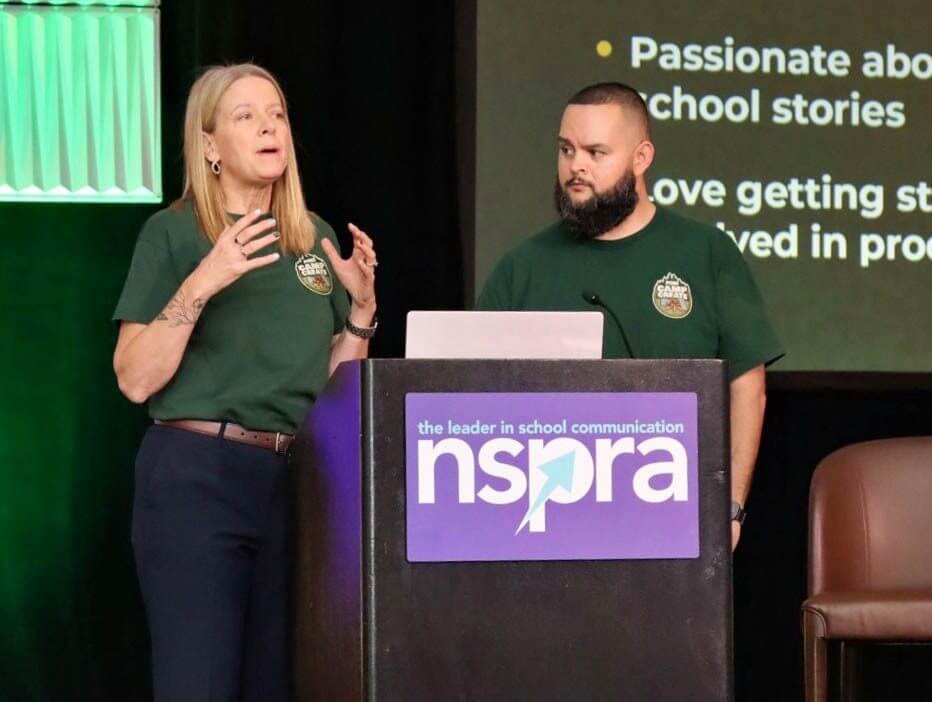
In California, Porterville Unified School District has done exactly that. Through a district-wide summer camp model, the district trains high school students to serve as trusted social media storytellers throughout the school year. This program, Camp Create, was presented in a session by Dr. Jill Johnson, Class Intercom’s president, alongside Diego Corona of Porterville USD. They shared a repeatable framework built on recruitment, training, clear adult oversight, and publishing workflows designed for safety and consistency.
Porterville has used that structure to unify storytelling across six high schools, turning eager students into confident communicators. The community became more engaged with school content, and students started telling stories that hadn’t been covered before, the ones that matter most to them. They also built real skills they can bring to college and career. For a communications team of two, that meant more meaningful stories told, in more places, without more hours added to the week.
The Network Is the Real Takeaway
School PR rarely lets up, and support is hard to find close to home. Many communicators run small teams, handling crises, board meetings, and daily storytelling with few people who truly understand the job. NSPRA is the exception.
Hallways stay busy between sessions. Colleagues who’d met at past seminars pick up where they left off, comparing notes on the challenges they’ve weathered and the pressures still weighing on them. The connection is palpable.
At Monday’s General Session, Tove Tupper, APR, chief communications officer for Highline Public Schools in Washington, was named 2026 National School Communicator of the Year, NSPRA’s highest honor. Accepting the award, she traced it back to a childhood teacher who once asked which book she wanted to read, a small moment she credits with teaching her that her voice mattered.
At the Awards Celebration and Dinner, attendees celebrate each other’s work. Highline’s team picked up a Gold Medallion for its education levy campaign, one of fifteen honored that night out of more than a hundred entries nationwide. Bennington Public Schools of Nebraska and Beavercreek City Schools of Ohio won Gold Medallions too, for a bond campaign that turned two failed votes into 71 percent approval and a unified brand identity spanning eleven schools, respectively.
The energy peaks each year at Battle of the SPRAs, the karaoke showdown between state chapters hosted by NSPRA partners ParentSquare, Class Intercom, TeacherLists, and Peachjar. Teams spend months choosing songs and rehearsing choreography. This year’s lineup leaned into the identities that make state chapters special: a Bad Bunny-inspired set, NESPRA’s first-ever entry with a Noah Kahan number about growing up in New England, and IndSPRA’s Indy 500-themed performance to “I Can’t Drive 55.” PennSPRA took first place with a Lady Gaga anthem, taking the stage confident enough to win even after another chapter performed the same song moments earlier.
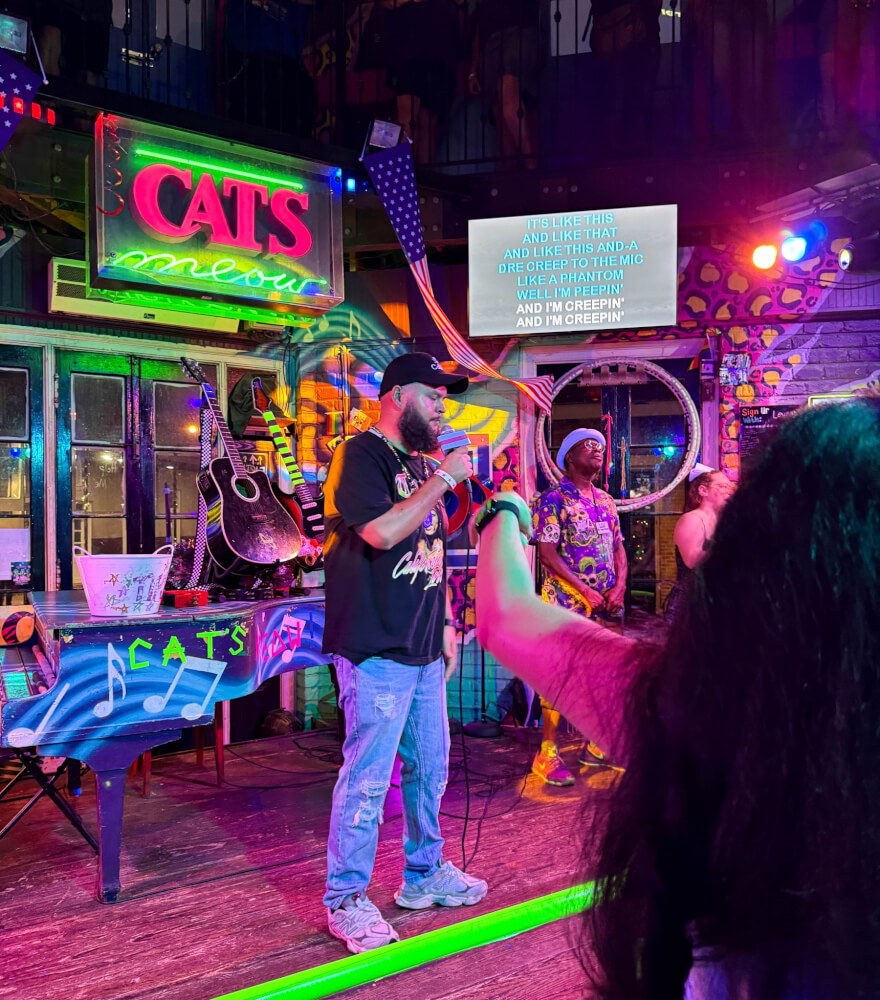
The same communicators carrying tight budgets and mounting expectations back home are the ones who show up for each other here every year. Those relationships carry them through the other fifty-one weeks of the year, especially when the work gets hard.
Looking Ahead
Next year, NSPRA heads to Indianapolis, Indiana, from July 11-14, and IndSPRA is already excited to play host. Checkered flags promoting next year’s seminar showed up throughout the week, a preview of the hospitality Indiana is prepared to show attendees next summer.
Kelly Wachel, APR, stepped into the president’s role mid-cycle and will continue to lead the association into the year ahead. We’re looking forward to another year under her leadership.
Thank you, NSPRA, for hosting another amazing event. To our clients, partners, and friends serving SPRA chapters across the country, thank you for doing what you always do: showing up for your students, staff, and communities, and making sure the good news rolls on.
Class Intercom helps thousands of schools and districts nationwide centralize their social media storytelling and empower more voices to contribute. Want to talk through what that could look like in your district? Let’s connect.