
Students see your school differently than adults do. They’re in the student section, backstage before the musical, working on projects in class, traveling to competitions, and experiencing the everyday moments that make a school community what it is.
That perspective makes students integral to a school’s communication strategy. In many schools, that means building a team of student content creators who can help communications professionals cover more events, find stories that might otherwise be missed, and bring an authentic student perspective to school social media. The experience also gives students hands-on practice in storytelling, communication, and digital citizenship.
The first big step in getting students involved is recruiting. Here are eight tips for recruiting the right student content creators in your community.
1. Look in classes that already teach storytelling principles.
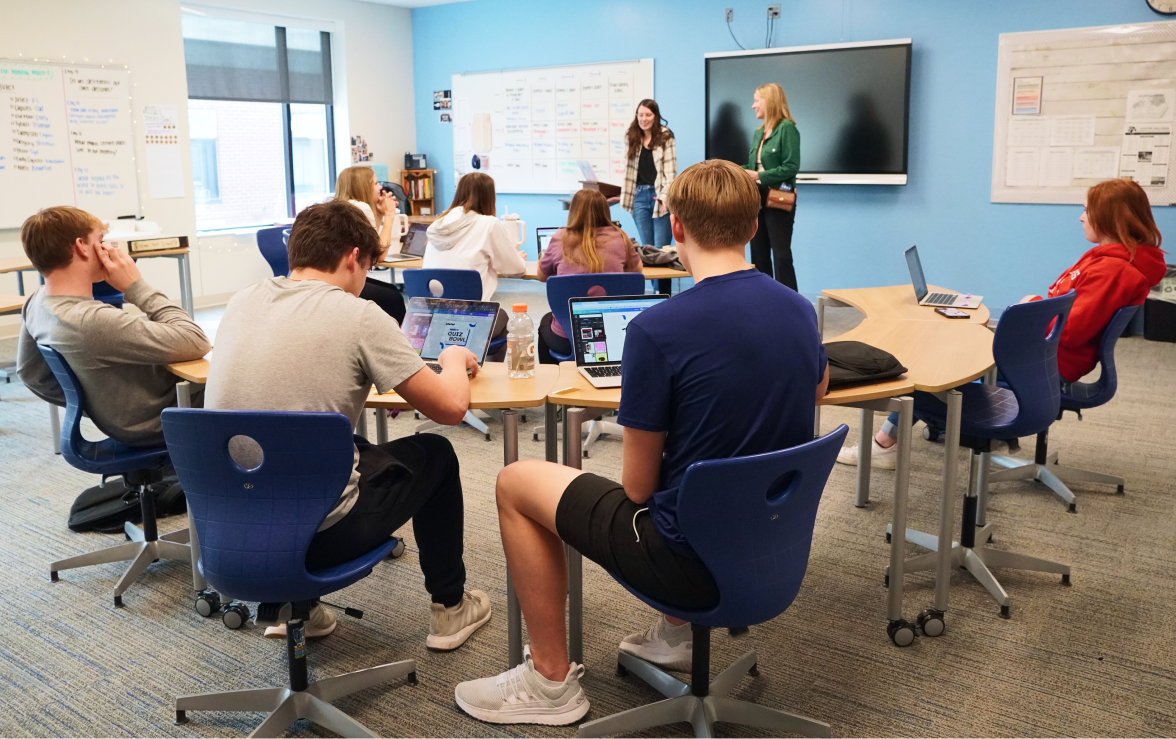
Start where students are already learning skills that translate naturally to school social media.
Journalism, broadcasting, media production, digital marketing, graphic design, photography, and creative writing classes are natural recruiting grounds. Students in these courses may already understand interviewing, writing, photography, video production, or visual design.
Connect with the educators leading those classes. Ask which students show curiosity, follow through on projects, or have an eye for a good story.
2. Tap into clubs and leadership groups.
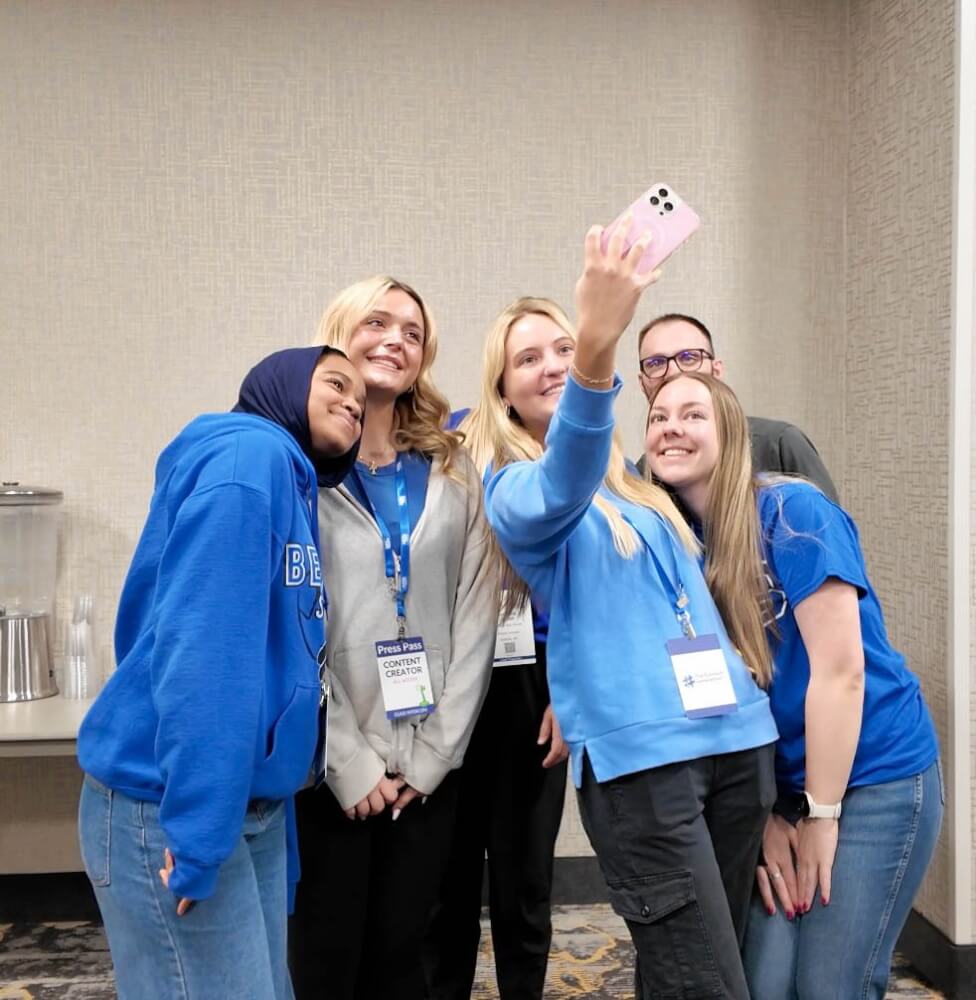
Existing student organizations can be another strong recruiting source. Yearbook, student council, DECA, HOSA, and other clubs often include students who are already communicating with an audience, organizing events, creating promotional materials, or representing their school.
Activity sponsors can help identify students who would be a good fit for a student social media team.
Recruit beyond the obvious choices, too. A robotics student who documents competitions or a theater student who photographs rehearsals may bring a perspective the communications team doesn’t currently have.
3. Build a network of staff who can recommend students.
School PR communicators can’t be everywhere, but teachers, counselors, coaches, and activity sponsors interact with potential student creators every day.
Ask them to watch for students who naturally gravitate toward storytelling and content creation. Maybe it’s the student who is always taking photos, edits videos for friends, or has a good pulse on current trends.
Let staff know that you’re actively recruiting. It becomes much easier when the search is a shared effort instead of one person’s responsibility.
4. Look beyond the students already highly engaged & involved.
The student council president, three-sport athlete, yearbook editor, and student intern may all look like ideal recruits. They may also have no time left in their schedules.
Interest matters, but so does availability.
Look for students who want to be involved but haven’t found their role yet. The student who loves athletics but isn’t on the team may be an excellent person to cover games. A student interested in theater who doesn’t perform might enjoy creating behind-the-scenes content.
Student-led social media can create new ways for students to participate in the school community, instead of adding another responsibility to the most involved students.
5. Don’t recruit based on GPA, grade level, or personality.
There is no single profile for a great student content creator.
Strong grades don’t automatically make someone a strong storyteller. The most outgoing student isn’t necessarily the best interviewer. And the student who rarely speaks up in class might be an excellent photographer, writer, designer, or video editor.
Age doesn’t have to be the deciding factor either. Recruiting younger students can give them time to develop their skills and eventually mentor new creators.
Focus instead on qualities such as curiosity, reliability, creativity, willingness to learn, and an interest in telling school stories.
6. Recruit a mix of skills.
A successful student social media team needs more than students who are comfortable on camera.
Look for a combination of:
- Writers who can cover an event in a concise caption or story.
- Photographers and videographers who enjoy being behind the scenes and have an eye for visual storytelling.
- Designers who can create graphics that fit the school brand.
- Interviewers and on-camera personalities who are comfortable talking with others.
- Organizers who can keep assignments, deadlines, and plans moving.
Students don’t need to arrive with all these skills. Recruiting for different interests gives the team more opportunities to learn from one another while helping school communications cover a wider range of stories.

7. Make the invitation personal, then make the role official.
A flyer or morning announcement can create awareness, but a personal invitation often gives students the push they need to participate.
When a teacher, coach, counselor, or communications professional says, “I think you would be good at this,” the opportunity becomes more tangible.
Once a student expresses interest, create a simple process for joining the team. That might include an application, interest form, short meeting, or overview of expectations.
The process doesn’t need to be complicated. It should clarify what students will do, who will support them, and how their content will be reviewed before it appears on official school accounts.
8. Give the role an identity students can see.
Make being a student content creator recognizable.
A team name, T-shirt, lanyard, badge, or press pass can help students understand that they have a defined role in telling their school’s story. It can also give them credibility when they’re photographing an event, interviewing a teacher, or capturing content on the sidelines.
That visibility has another benefit: recruitment.
When other students see their peers creating content at games, performances, classrooms, and events, they begin to understand what the opportunity looks like. Instead of continually searching for the next group of creators, schools can then build interest organically.
Take the Next Step
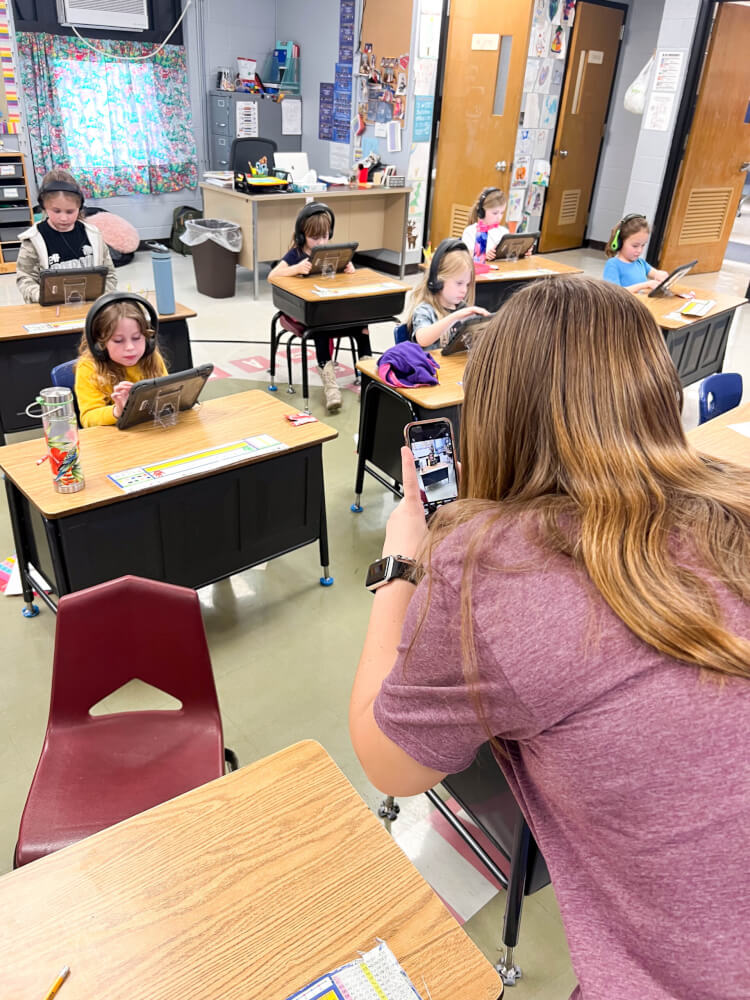
Recruiting student content creators doesn’t require finding a group of students who are already experts at social media. Start by finding students who are curious, creative, reliable, and interested in contributing.
Then give them opportunities to build the skills they need.
With the right structure, student-led social media can help schools capture more of what happens each day while giving students practical experience in storytelling and digital citizenship. The goal isn’t simply to hand students access to school accounts. It’s to create a system where they can contribute, learn, and receive guidance from the adults supporting them.
Class Intercom helps schools and districts build safe, sustainable systems for empowering student content creators while maintaining the oversight school communications teams need. Learn more about how Class Intercom can support student-led social media at your school or district at the link below.