
A Letter from Class Intercom’s Dr. Jill Johnson
Today Meta agreed to pay roughly $17 billion over the next 10 years to settle claims brought by a coalition of state attorneys general–that its platforms were built in ways that made kids less safe. It took years of litigation, research, and parents willing to submit testimony of the harms inflicted on their kids. It’s a real, hard-won outcome, and I’m glad it happened. I also want to be honest: I spent 30-plus years in education and, as an administrator, a teacher, and a mom, I’ve watched things like this get oversold.
You can read the full Meta and State AGs’ Consent Judgment here.
In the 80s, I learned to use a computer on an Apple //e machine. Our district had two machines in total that were passed among schools; we had access to them for six weeks out of the year. I still remember Mr. Jaros walking me through if-then statements, line by line, making sure I actually understood. That was digital literacy then: hands-on, guided by a teacher who cared about how we learned to use a new technology.
I raised four kids through the rise of social media and spent more nights than I can count trying to understand what was happening on their phones. As a school administrator, I was the person families called at 9 p.m. when a screenshot had circulated online, or a kid didn’t want to walk into school the next morning over something that happened online the night before. I’ve seen what these experiences can do to a 14-year-old’s sense of self.
I am glad to see the real work being done to make kids safer online; kids deserve safer platforms and stronger protections. There is value in putting phones away, too–in giving kids space to focus, be present, and engage with the people around them. But phone bans alone don’t teach kids what to do when those devices are back in their hands. Schools and parents have different roles to play in what comes next, but neither can rely on protection or restriction alone. Kids also need opportunities to learn through experience. To find their own voice, practice using it with intention, and understand the power and impact of who they are and how they treat people online. That’s the slower, harder work of digital citizenship–giving kids real tools, helping them learn to use them well, and then getting out of the way enough to let them do it.
So, I will take the win, but I will be back at this work again tomorrow, and the next day, and the next. Sitting with schools and students, having hard conversations about safety and cyberbullying, and tough lessons learned, and helping schools serve as a place for kids to find their voice. And, once they find it, to use their voice (and these platforms) as a force for good.
Sincerely,
Dr. Jill Johnson
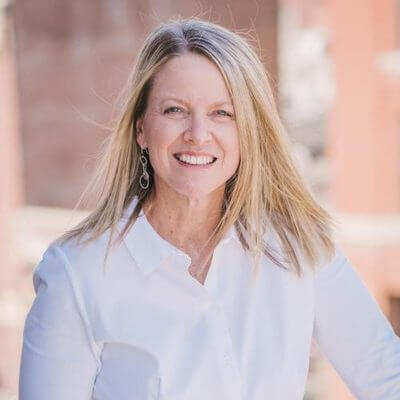
Dr. Jill Johnson
jill@classintercom.com