
AI-generated graphics and event flyers are becoming more common across school social media pages, newsletters, and other communications channels. At the same time, families and community members are becoming more discerning about the content they see.
Leading up to Class Intercom’s recent webinar, AI Reality Check: Rethinking AI in School PR and Communications, we heard many concerns about the growing use of AI-generated flyers by staff, coaches, principals, and parent organizations.
It’s easy to understand why school staff turn to these tools. When there’s a fundraiser, school concert, athletic event, or family night to promote, AI can produce an eye-catching graphic in seconds. For busy educators and volunteers, it’s a convenient way to get the word out.
The intentions are good, but it’s worth considering how these graphics are received by families and what schools might be losing when they use AI in place of real photos and stories.
There are other ways to promote school events that can be just as simple, while also preserving community trust.
Families Value Authentic School Content
Families follow school social media accounts to see what’s happening in their schools. They want to see their children, recognize familiar faces, and get a glimpse of the classrooms, activities, and experiences that make up their school community.
The findings from Class Intercom’s annual Social Media in Education Report reinforce this. Among the top-performing content types reported by schools surveyed in 2026 were student and staff highlights and classroom highlights. These are the photos, videos, and stories featuring real people and real experiences.
Consider the difference between an AI-generated flyer promoting a school musical and a photo of students rehearsing for opening night with details in the caption. Both posts can communicate the date and time, but the rehearsal photo also gives families a glimpse of the students and the work going into the performance.
That connection is what makes school storytelling valuable. It’s something you can’t replicate with AI-generated imagery.
Why AI-Generated Imagery Can Erode Trust
Every photo, graphic, newsletter, and social media post a school shares contributes to how families and the community perceive their school. When that content looks artificial, contains mistakes, or feels disconnected from the actual school community, it can create questions around credibility and trust.
AI-generated graphics can introduce errors. School logos and mascots may be altered, text can be misspelled, and bots may introduce false details. Even small mistakes can make an official school announcement look less reliable.
AI-generated content can feel impersonal. When a school shares a generic AI-generated image in place of a photo from an actual classroom or event, it misses an opportunity to show the people and experiences families care about.
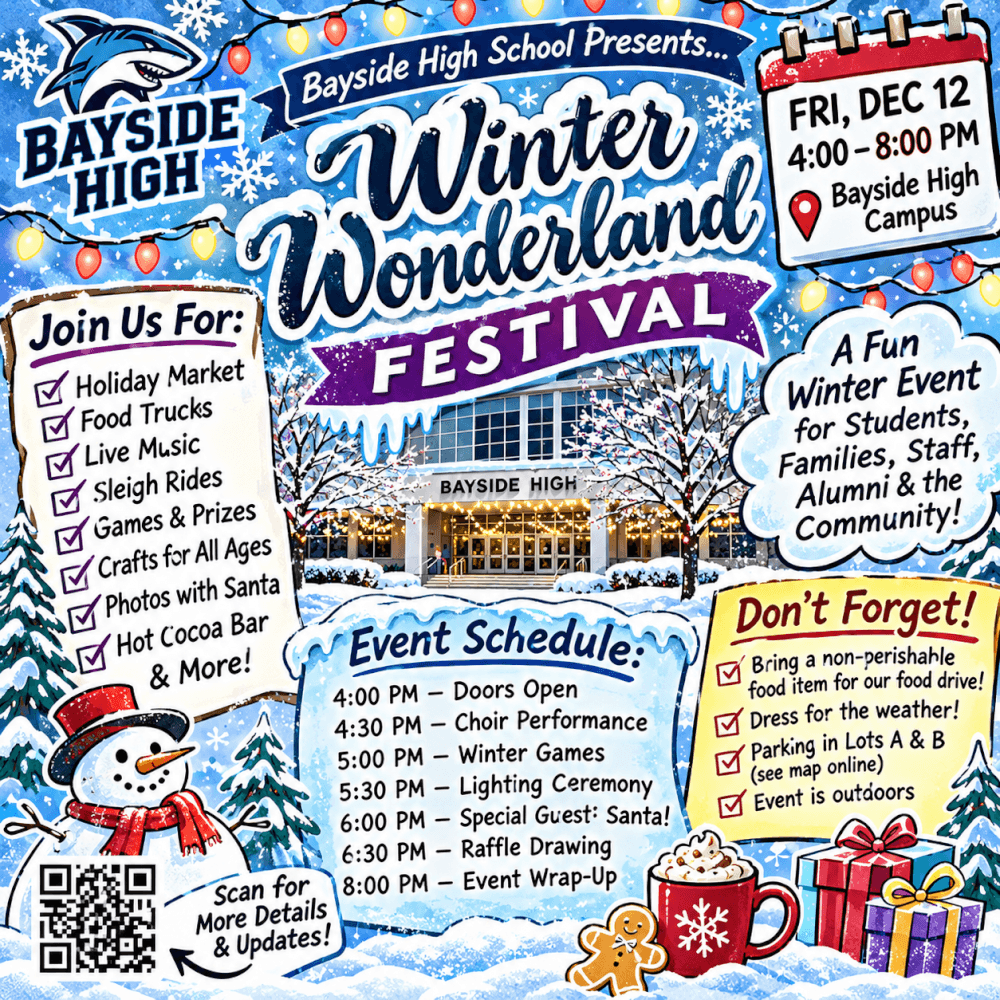
There’s also a question of perceived effort. A graphic that looks quickly generated may unintentionally communicate less care or attention than a simple photo and thoughtful message about the students involved. That perception may not reflect the time or effort someone actually put into creating it, but it can still affect how the message is received.
AI doesn’t automatically understand a school’s brand. The quality of an AI-generated graphic depends heavily on the information and instructions provided. Without approved logos, colors, and brand guidelines, which take time to gather and provide, AI tools may produce materials that look nothing like the school’s official communications.
School branding helps families recognize trustworthy, official information. Inconsistent graphics, altered mascots, and unfamiliar visuals can weaken that reputation.
The Practical Problems With AI-Generated Imagery
Beyond questions of authenticity and trust, AI-generated flyers can create practical challenges for schools and families.
- Accessibility: Text embedded in an image may not be accessible to screen readers. Important event information should also appear as readable text in the post, email, or webpage.
- Mobile readability: Small text, crowded layouts, and decorative fonts can make graphics difficult to read on a phone, where many families receive their information.
- Print quality: AI-generated images may become blurry when resized or printed, and complex, colorful designs don’t always reproduce well on school printers.
These issues are especially important when schools are sharing essential event details. An image might look appealing at first glance, but it still needs to be accurate, accessible, and easy for families to use.
What Should Schools Share Instead?
Promoting school events effectively without AI doesn’t have to involve elaborate graphic design or hours of content creation. A photo, short video, or a simple announcement can be more effective and preserve trust.
Here are a few alternatives to consider:
- Keep it real: Use a photo of the actual team, students preparing for a performance, or families attending last year’s event. Follow school media release policies when featuring students.
- Let students and staff tell the story: A short video from a coach, teacher, or student explaining why an event matters can give families a reason to attend.
- Keep event information simple and accessible: Include who, what, when, where, and other important details in the caption.
- Use approved templates when graphics are needed: Official school logos, colors, and layouts help maintain a recognizable, consistent brand.
- Share more than one announcement: Promote events in advance, remind families as the date approaches, and share photos or a recap afterward.
- Use the right communication channels: Social media can build awareness, while email, family messaging, and school calendars help make sure important details reach the right people.
- Connect with the communications office: School communications teams can provide templates, guidance, and help getting content in front of families.
AI Is a Tool to Use Strategically
Schools don’t need to stop using AI. There are plenty of opportunities for it to make school communications more efficient. The key is understanding where AI adds value and where a human touch matters most.
AI can be useful for brainstorming content ideas, organizing event promotion timelines, analyzing data and feedback, and helping communications teams manage repetitive tasks. These are areas where school communicators can save time without sacrificing the authentic content families want to see.
And authentic storytelling doesn’t have to fall entirely on the communications office.
With Class Intercom, schools can involve contributors across buildings and departments, collect content in one place, and use approval workflows to ensure posts are accurate, appropriate, and aligned with school communications standards.
For a deeper discussion about how schools can be strategic about incorporating AI into workflows, catch our latest webinar, AI Reality Check: Rethinking AI in School PR & Communications, at the link below.