
Artificial intelligence in schools is here to stay. The conversation is no longer about whether schools should adopt AI, but how they use it thoughtfully. Students are learning more about it. Vendors are building it into school platforms. Staff are experimenting with it to save time and work more efficiently.
With the increased use of AI in schools comes a new set of questions about responsibility. Especially when it comes to communication with families and the broader community.
We dove into this in recent conversations with the experts at KSB School Law. AI is an extremely useful tool. But, it can also create risk when schools move fast without understanding the legal and compliance implications tied to communication, data, and public trust.
How Schools Are Using AI to Support Communication
AI has become a support tool in day-to-day communications work. When used thoughtfully, it can help schools communicate more clearly and consistently, while also helping school communications professionals be more efficient in their work.
Schools are using AI in practical, community-focused ways, including to:
- Draft and refine messaging for newsletters, websites, and social media.
- Summarize longer updates so information is easier for families to digest.
- Support ADA web accessibility, including captions, transcripts, and alt text.
- Ensure communications are accessible in the languages spoken across their community.
- Analyze survey responses and community feedback more efficiently.
In our conversation with KSB attorneys, we also talked about the volume of feedback schools collect and how difficult it can be to use that information well. AI has the potential to help schools identify patterns, surface concerns earlier, and respond more strategically if it’s used intentionally.
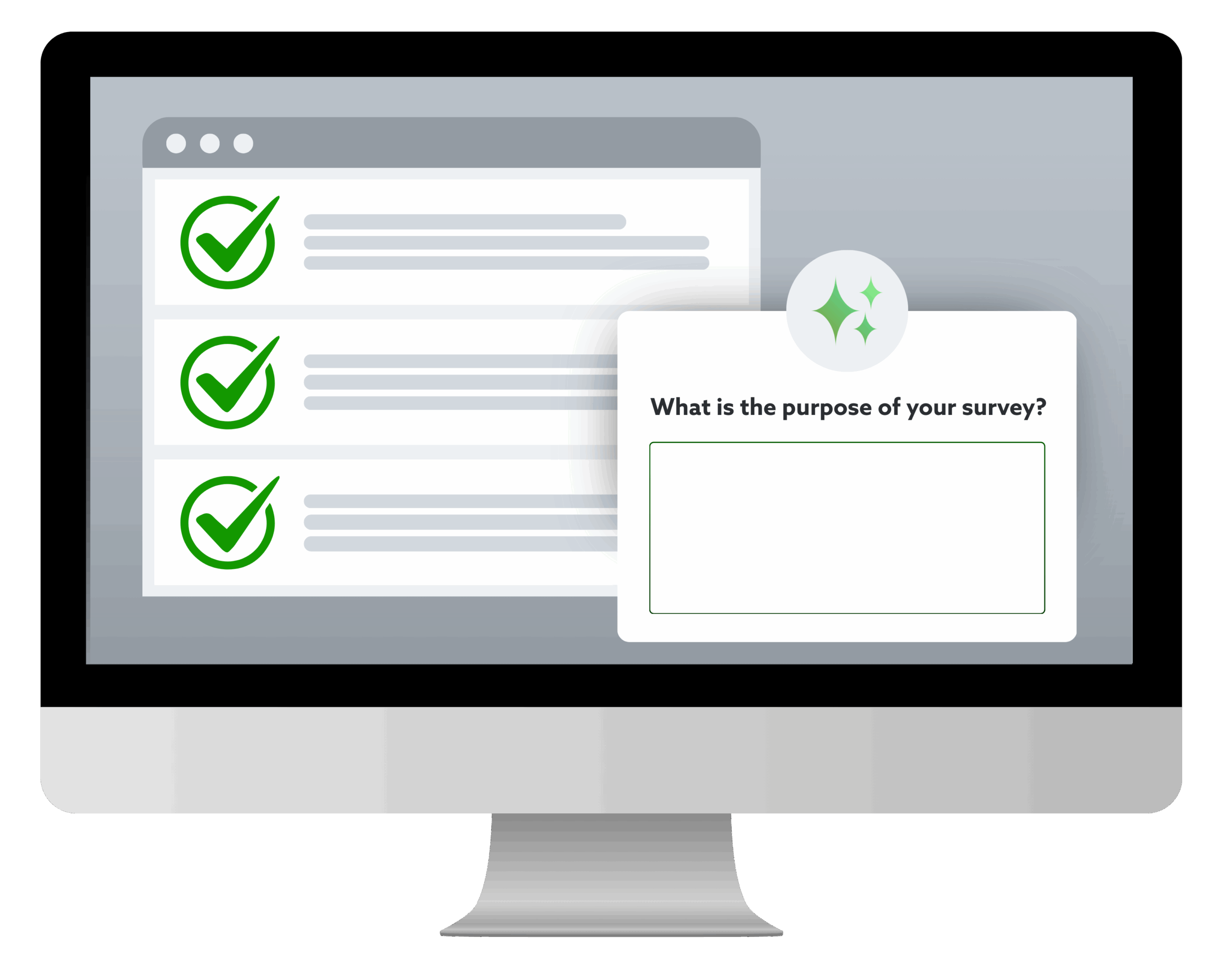
Class Intercom, the leading social media management solution for schools and school districts, is adding survey and engagement functionality to its platform.
Legal and Ethical Considerations Schools Can’t Ignore
The same tools that make communication easier also introduce new considerations for schools. This is where leadership and communications teams need to work together to ensure AI is used ethically and responsibly across departments.
Many AI tools require users to upload information, whether that’s text, images, audio, or survey data. Once content is uploaded, schools need to understand how it’s stored, whether it’s retained, and how it might be used beyond the original task. This isn’t simple. Even legal professionals struggle to fully interpret AI terms of service, which makes it unrealistic to expect individual educators or staff members to do so on their own.
Instead, leadership should set clear, district-level expectations. That includes identifying approved tools, defining what types of information should never be uploaded, and giving staff practical guidance they can follow day to day. When student or staff information is involved, schools are responsible for protecting that data, especially when AI is part of the process.
The same principle applies to content. While AI can assist with writing, editing, summarizing, or analyzing information, it doesn’t take responsibility for what’s ultimately shared. If a message is inaccurate, misleading, or inappropriate, the accountability still belongs to the school. That’s why clear review expectations and a human check before publishing are essential whenever AI is used to support communication.
Trust, Authenticity, and the Reality of Deepfakes
AI-generated audio, images, and video are now prevalent across every major platform. Schools are already encountering situations where fake audio, altered images, or impersonation attempts appear to come from school leaders or official accounts.
That reality raises a critical question: how does your community know what information is actually coming from your school (and what isn’t)?
When official communication channels are unclear, loosely managed, or spread across too many pages, it becomes much easier for bad actors to take advantage of confusion. Lookalike accounts, unofficial pages, or outdated profiles create opportunities for scams, misinformation, and impersonation (with or without AI).
This is why secure, moderated, and clearly official social media channels matter more than ever. Schools need to be able to clearly identify which accounts are official, who has access to publish on behalf of the school or district, and what safeguards are in place before content goes live.
Reining in a school’s social media presence isn’t about limiting communication. It’s about clarity and trust. When families know where to go for accurate information they’re less likely to be misled by content that looks official but isn’t.
Beyond AI, when schools consolidate and clearly define their official channels, audiences aren’t fragmented across dozens of pages. Instead, families, staff, and community members are tuned into the sources that matter most. Engagement is stronger, messaging is clearer, and the school has greater control over its public presence.
What Schools Need to Do About AI
Schools are legally complex organizations. Decisions about AI intersect with public records laws, First Amendment considerations, and data privacy expectations. That’s why alignment between administrators, communications teams, and legal counsel matters.
AI use itself isn’t the problem. It’s the lack of education and guidance around AI that increases risk. Schools don’t need perfect policies to take responsible steps forward. But they do need clarity. Schools and leadership teams need to:
- Acknowledge AI use openly, rather than pretend it isn’t happening.
- Educate staff and students on responsible use, instead of relying on blanket bans.
- Review access and publishing permissions for official communication channels.
- Think intentionally about transparency, especially when AI significantly shapes public-facing content.
These steps help schools use AI in ways that align with their values and responsibilities. At the same time, it helps community members stay up to date with the innovation happening in the private sector. This is the new normal and the sooner students and staff are able to learn to use the tool responsibly, the more successful they’ll be in the future.
Continuing the Conversation With School Law Experts
Many questions remain around AI and school communications. On January 21, Class Intercom President Dr. Jill Johnson will host KSB School Law attorneys Bobby Truhe and Karen Haase for a candid conversation about the legal and communication challenges schools are navigating right now.
If AI is already part of your communication workflow, or you’re exploring how it can be, this webinar will dig deeper into what schools need to understand, what risks to watch for, and how to move forward responsibly. Learn more and reserve your spot using the link below.