
The Story of Class Intercom
Walk into any school on a given day and you’ll find hundreds of stories unfolding at once. Students uncovering new passions. Educators turning lessons into discovery. Teams competing, performing, serving, and achieving. Communities coming together around moments big and small.
The challenge has never been whether those stories exist. The challenge is in how those stories are discovered and surfaced, in how they are thoughtfully drawn from the everyday life of a community that’s often massive, diverse, and fast-moving. It’s also in how they are curated into a larger narrative that becomes a school’s story. And then, how that story reaches and engages the broader community to garner genuine interest and support.
For schools, the expectations around communication are especially high. Families want transparency; communities want engagement. School leaders must communicate quickly, consistently, and authentically across evolving channels, all within an increasingly complex landscape of public records requirements and community accountability. And woven through all of it is a real opportunity: to help students understand what it means to be good digital citizens.
Yet those same students, some of the most powerful voices in a school community, have historically been left out of the storytelling.
It was in this environment of real pressure and real opportunity that Class Intercom launched.
Students as Storytellers: The Idea Behind Class Intercom
When Ben Pankonin, a tech founder with a background in computer science and enterprise software, encountered the challenges schools faced around social media and public accountability, he noticed something that felt obvious in hindsight: Schools didn’t really need more content; what they needed was a better way to uncover and curate it.
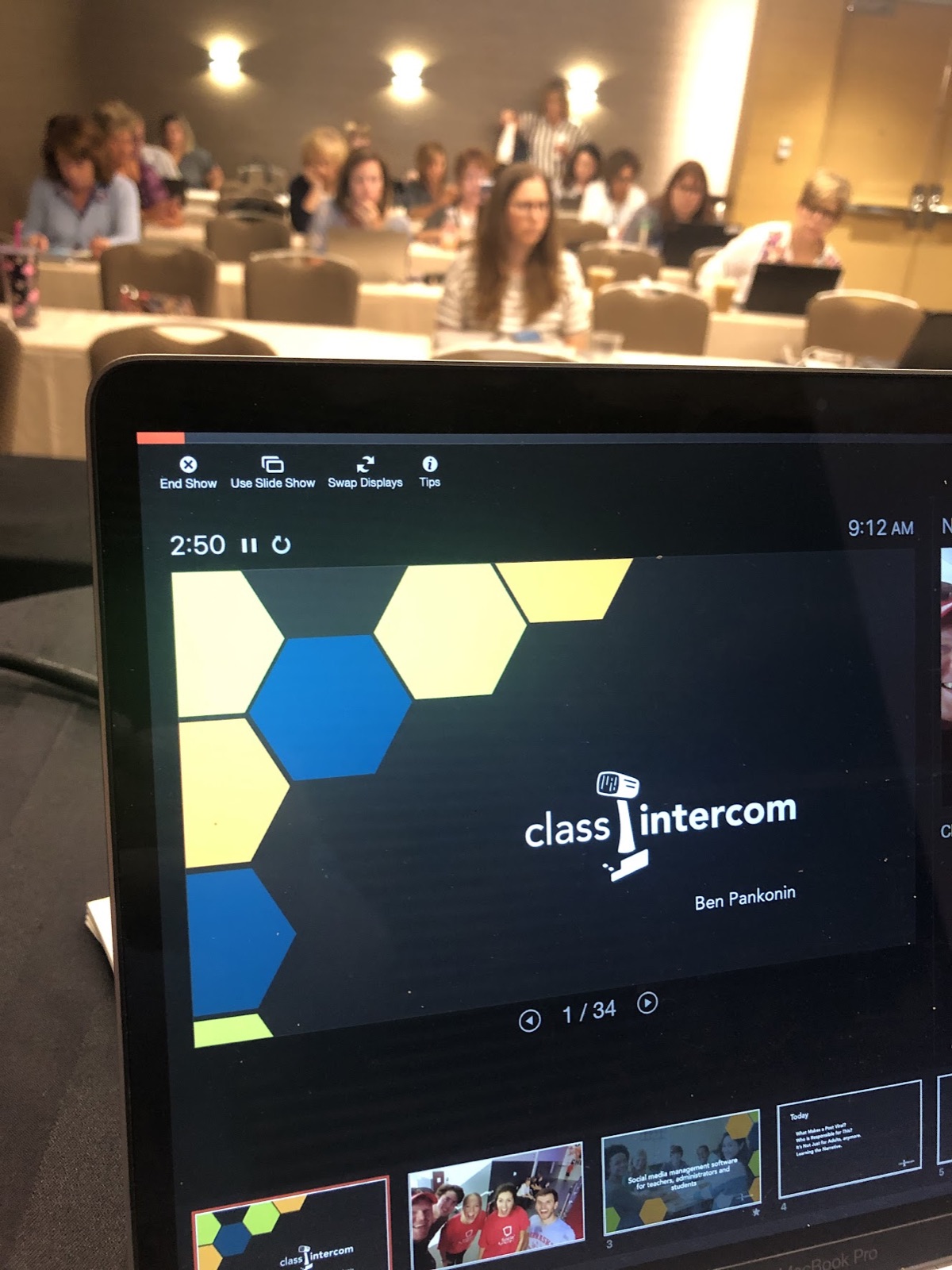
“Schools are an absolute trove of interesting and relatable stories,” Ben explains, noting the diversity in backgrounds, interests, and pursuits. “Hundreds of students in a school, tens of thousands across a district, all diving into their own programs, clubs, and passions. They’re directing theater productions, writing code in robotics programs, conducting research in science labs, making plays on the court and the ball field.”
By then, Pankonin had already founded and scaled multiple successful technology companies, including Social Assurance, then a SaaS company specializing in marketing and compliance solutions for banks and financial service providers. That work involved years of experience helping both public and private organizations communicate in their markets while also navigating complex oversight and regulatory accountability. But schools presented a unique opportunity.
Unlike most organizations, schools are surrounded by thousands of potential storytellers every day: Students.
What if students could play a meaningful role in telling the story of their schools? What if educators had a safe, structured way to mentor that process? And what if school leaders could reveal a more interesting, more authentic picture of who their school really is, while students gained real experience as responsible digital citizens?
Built for Schools, By People Who Understand Them
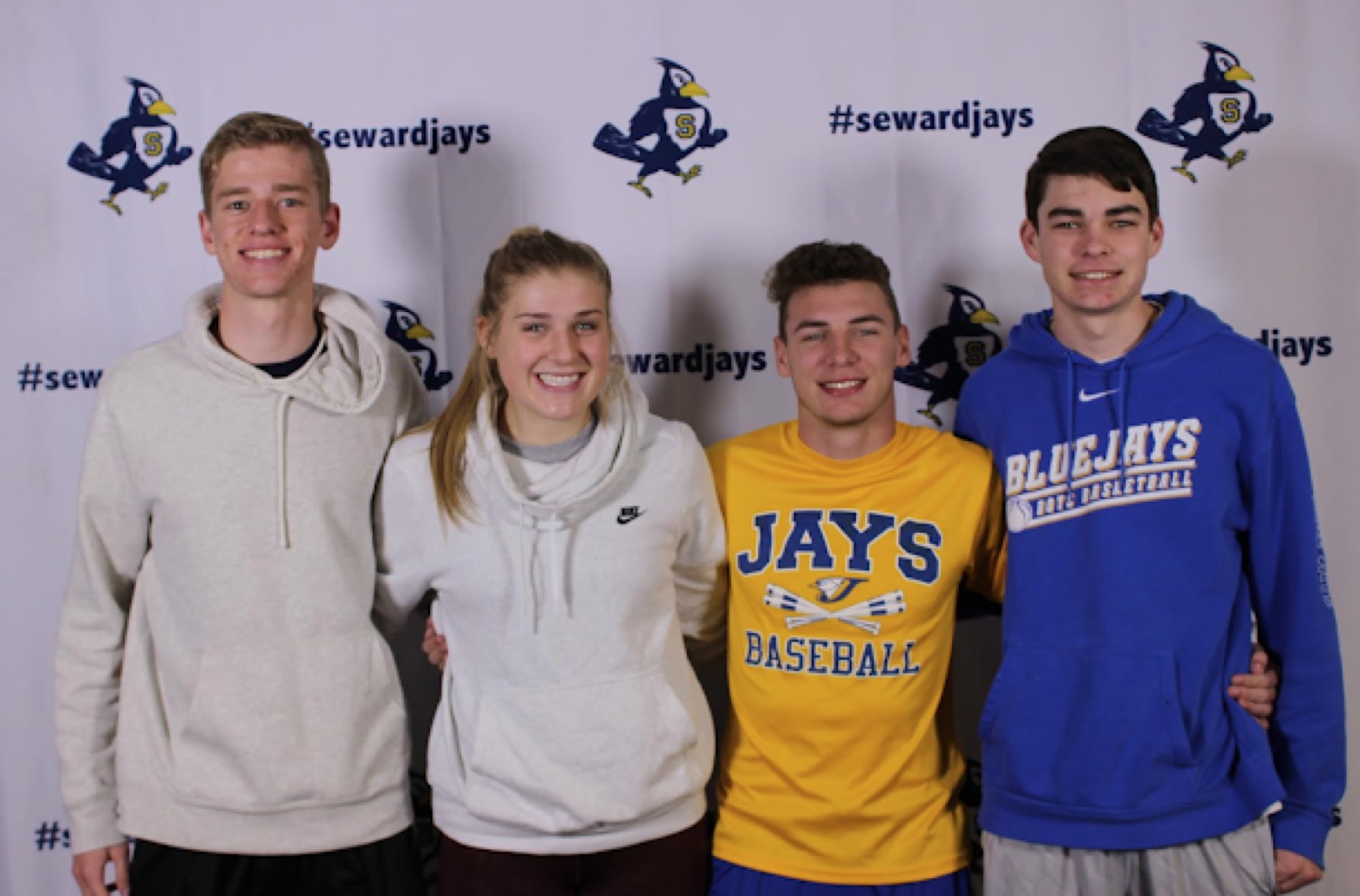
As Class Intercom began taking shape, one of its earliest champions was Dr. Jill Johnson. Then a school administrator, Dr. Jill had spent decades in the sector, first as a teacher, then as an ESU (educational service unit) leader, before joining administration. As a high school administrator, Dr. Jill saw an opportunity in social media, where the school could bring to life its student experiences, clubs, academics, sports, and other endeavors. Eager to tell as much of her school community’s story as possible, Dr. Jill assembled a team of student content creators to help cover school events, activities, and happenings.
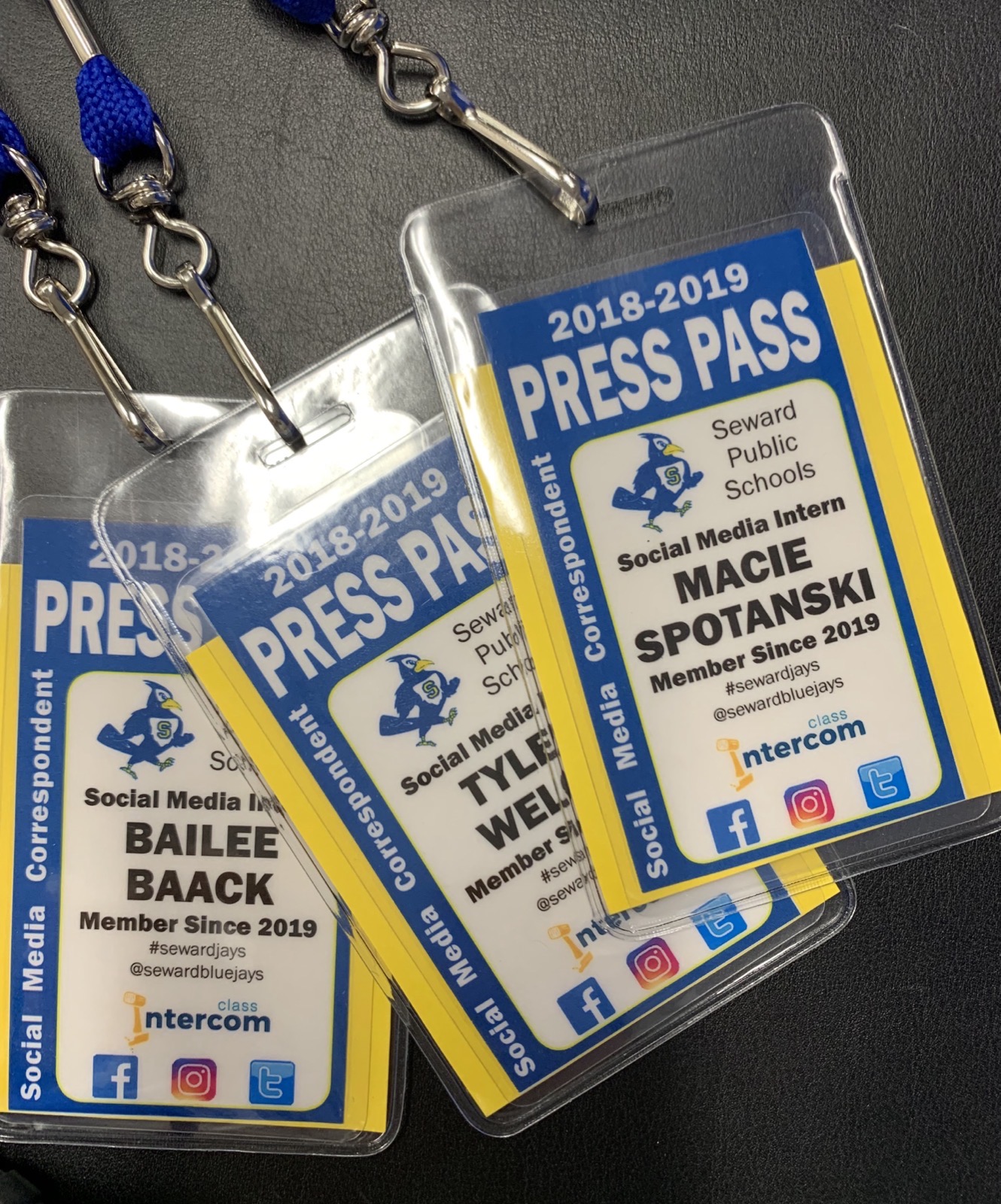
As a central, secure platform for school social media, Class Intercom provided a space for students to create and collaborate with oversight from Dr. Jill and her team of administrators. As moderators, they were able to manage users, channels, content, and workflows, while students pursued stories and created content from their unique student perspectives.
“Student-created content isn’t simply a communications strategy,” explains Dr. Jill, noting students’ excitement in having an opportunity to contribute to their school’s branded communication channels. “It can be a deeply meaningful, hands-on learning opportunity students take with them beyond the classroom and far beyond graduation.”
The experience influenced her dissertation work. Dr. Jill went on to publish doctoral research on the role school leaders play in advancing student-led social media teams and integrating student voice into school culture and curriculum. That research became foundational to how Class Intercom approaches not just social media management, but student engagement, community feedback, and the broader question of how schools communicate with the communities they serve.
For Ben, the decision to bring Dr. Jill on as Class Intercom’s President was an ideal next step, helping transform the emerging edtech’s innovative technology platform into a purpose-built solution for schools.

“Her experience, research, and practical application of student-led content programs helped shape not only the product itself, but the support systems that surround it,” explains Pankonin. “We’re serving both students and education professionals, so, for us, that extends all the way from professional awards and recognition to certifications, credentialing, and portfolio building.”
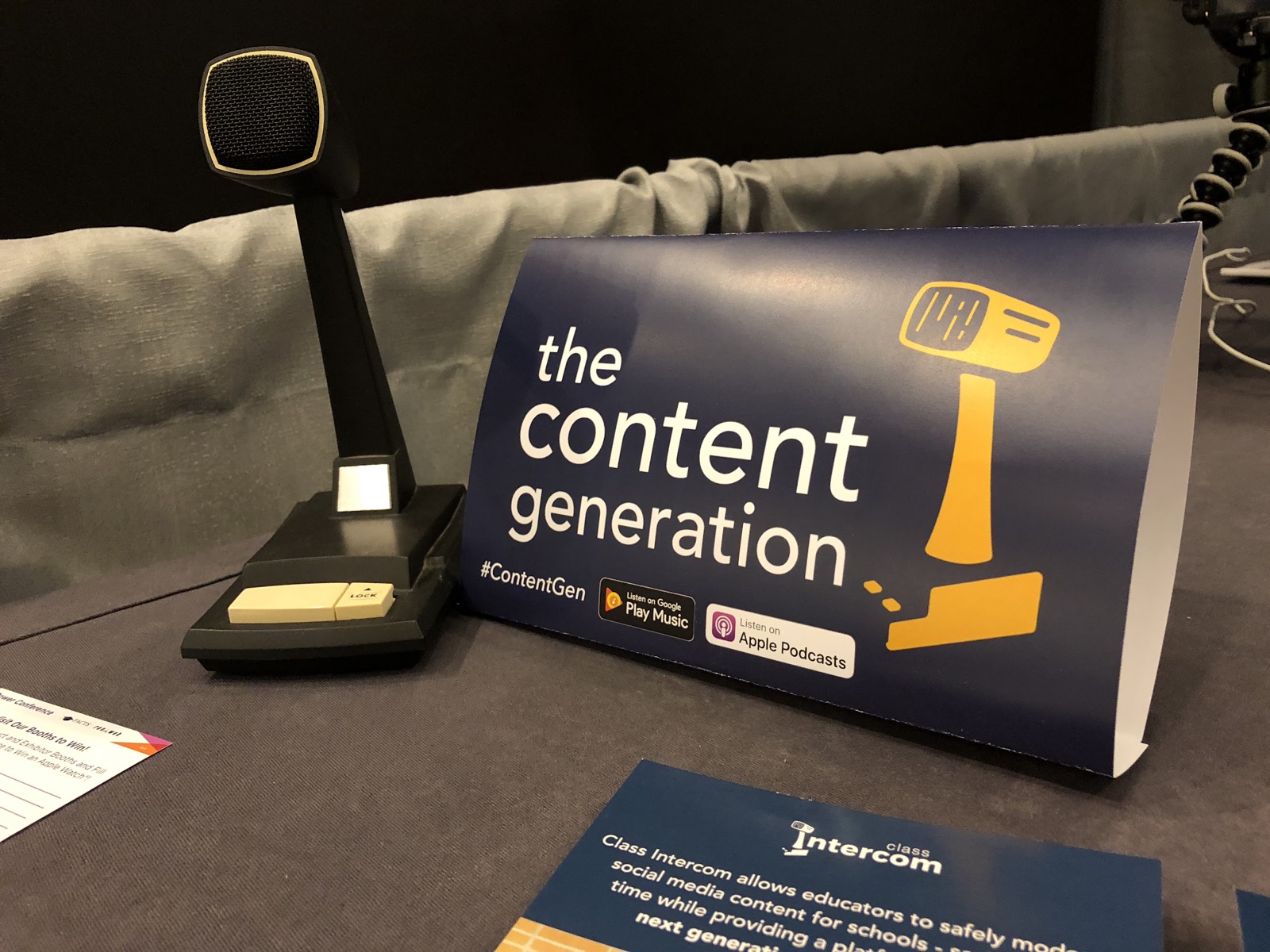
As Class Intercom took off in the social media space, those initiatives proved even more valuable to schools.
“We’ve always believed great technology should make difficult work easier,” adds Ben. “But, especially in education, the technology is only part of the equation. The real impact comes when it’s backed by people who understand schools, understand students, and know how to utilize a tool to create and support a sustainably integrated program.”
How Student-Generated Content Became a Nationwide K-12 Movement
Over the next several years, Class Intercom grew into the nation’s leading school social media management platform, serving thousands of schools and some of the country’s largest and most influential school districts.
As the influence of social media continued to grow, so did students’ interest in using it to make a positive impact. What started as student-led storytelling within individual schools grew into a broader movement, one where students were eager to learn, create, collaborate, and share their work beyond the walls of their own districts.
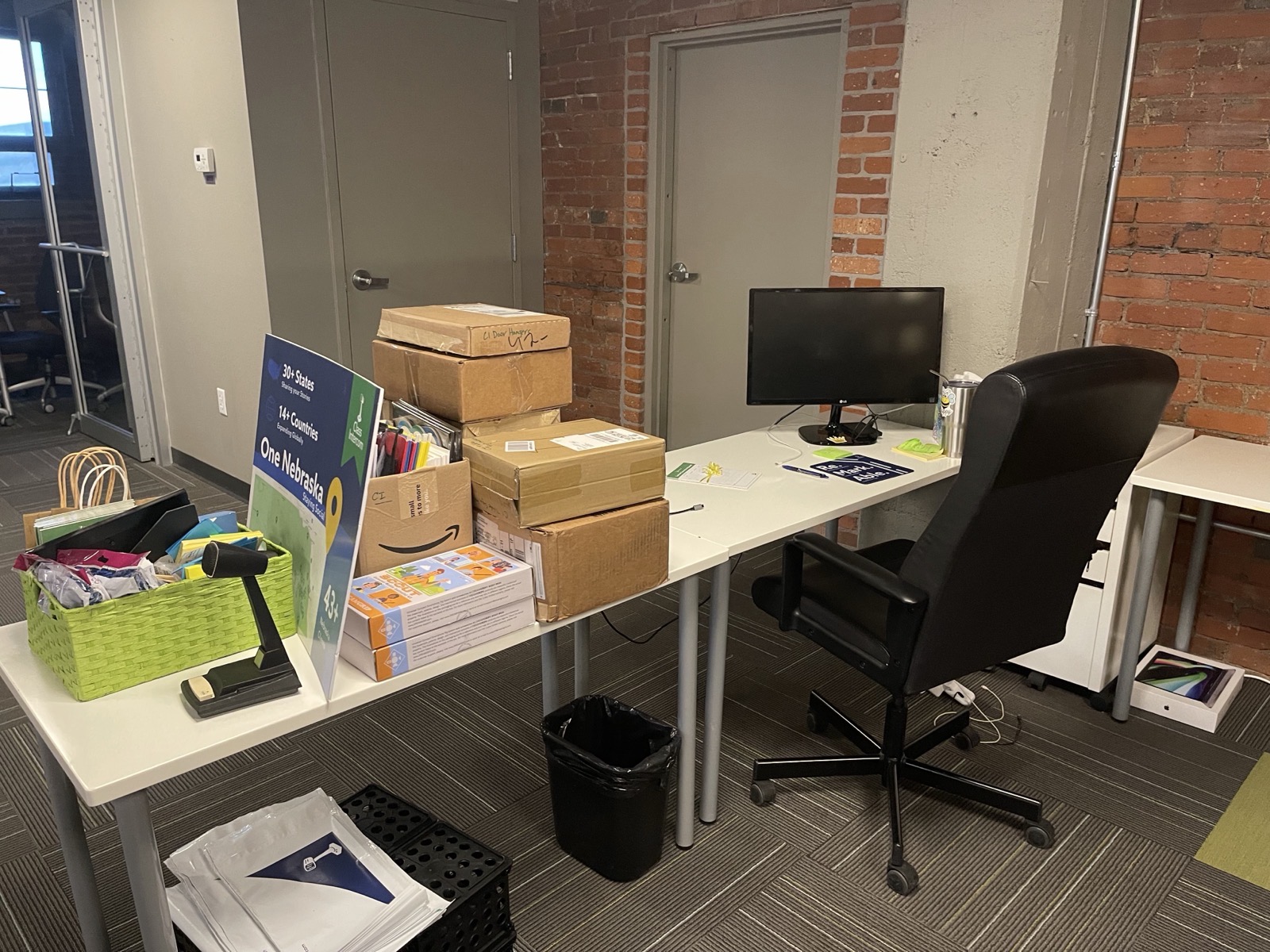
Schools have structured their approaches in a variety of ways. Some have created internships, others clubs, while others integrated student-led content into classes like journalism, digital media, marketing, photography, design, and the like. Educators are finding new ways to showcase learning and celebrate achievement. As students gain real-world experience, school leaders and district-level communications and PR teams find themselves with an influx of stories and content from across programs, clubs, and classrooms.
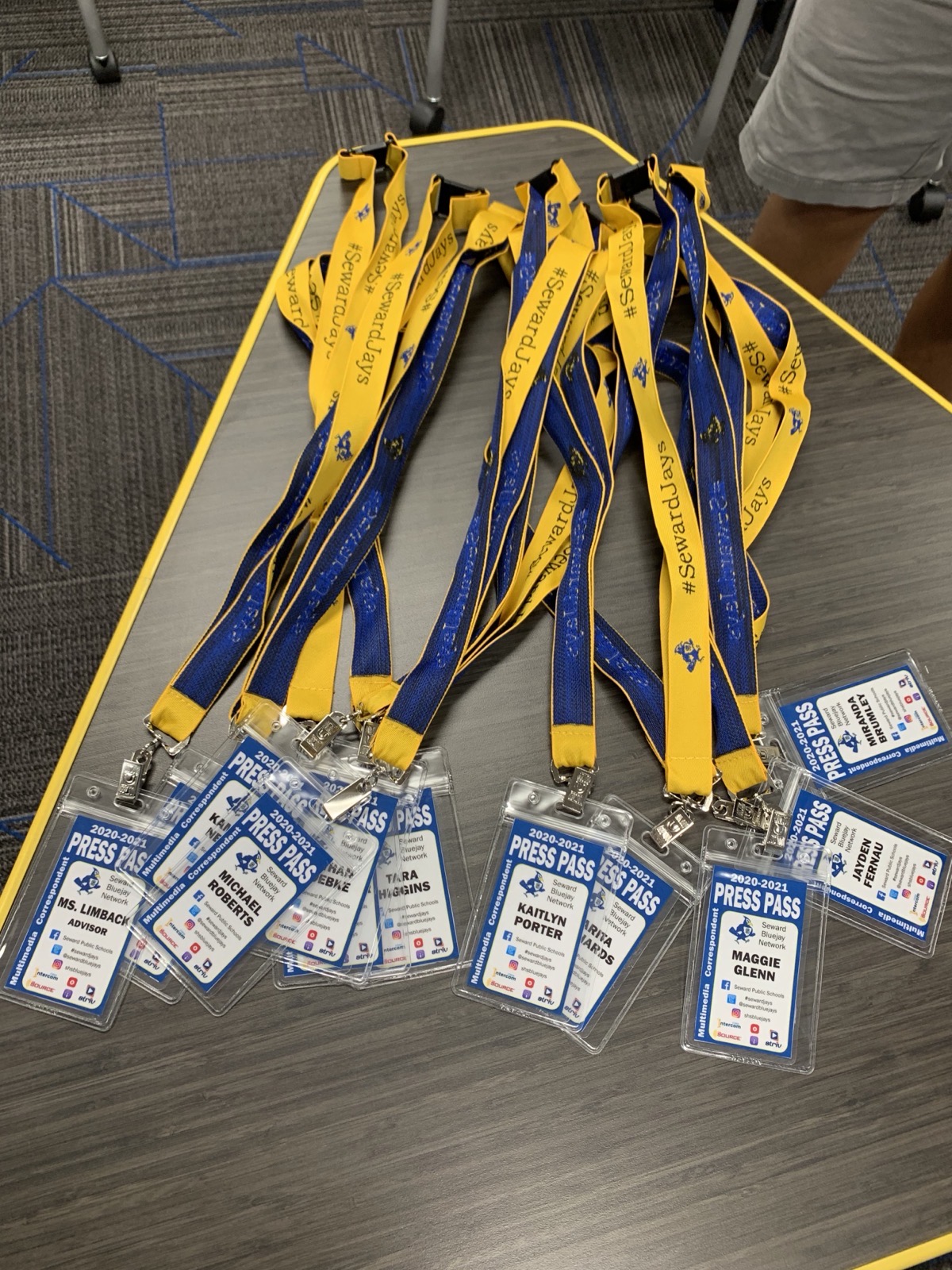
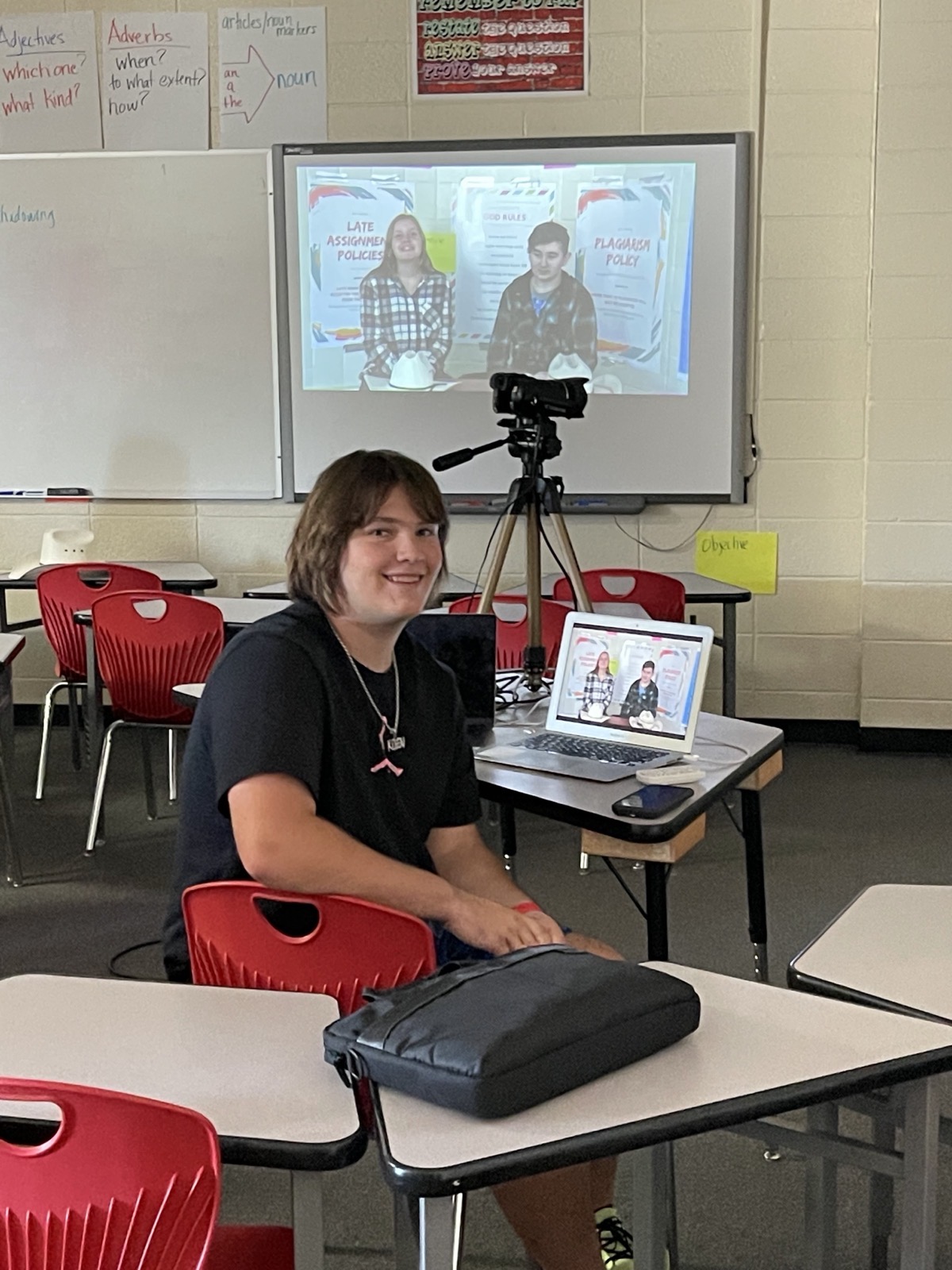
Class Intercom responded in step by launching events and partnering with state-level associations to create new opportunities for students to engage with one another through storytelling competitions, live challenges, content workshops, and other collaborations. Students began building professional portfolios, presenting work to prospective employers, exploring careers in communications and marketing, and contributing to state and local initiatives focused on real-world learning.
What began as a better way for schools to tell their stories had become something much bigger: a way for students to discover their voices, develop meaningful skills, and see new possibilities for their future. As momentum grew, the legal and political environments continued to evolve the complexity of what schools needed, not just tools to tell their stories, but tools to listen, engage, and stay compliant.
From School Social Media Management to Community Engagement & Compliance
As Class Intercom continued to grow, another trend emerged: The challenges schools were solving weren’t unique to schools. Local governments, municipalities, and public agencies faced many of the same realities.
They needed better ways to gather information and content from employees and field teams working across departments and locations. They needed to communicate consistently and intentionally with stakeholders and community members. They needed to tell compelling stories about the often less-than-visible work happening in their communities. Like schools navigating FOIA requests and open records requirements, these organizations needed compliance tools that kept pace with their communications. The similarities were impossible to ignore.
Leveraging the expertise developed through both Class Intercom and Social Assurance, the company expanded its work in the public sector, helping government organizations modernize communication while maintaining transparency and accountability.
That evolution ultimately led to the acquisition of MindMixer, a long-standing community engagement platform known for helping government organizations facilitate public participation and gather feedback at scale. The move expanded the company’s ability to support not only cross-channel communication, but to engage with and gather feedback from community members. Today, that technology powers Class Intercom’s Survey Suite, extending the platform from storytelling to two-way engagement.

“Expanding into surveys was a natural next step,” explains Dr. Jill. “Whether it’s a state-mandated climate survey, gathering employee feedback, or engaging the community on something big like a bond issue or strategic planning, schools finally have one secure, scalable place to build it, send it out, and actually use what comes back.”
Part of Something Bigger
As part of Social Assurance, a well-established company serving enterprise clients with dedicated development, implementation, support, and client success teams, Class Intercom was able to leverage organizational depth in a unique way. A firm foundation of resources, expertise, and leadership created an ideal environment for innovation. Combined with vision and the ability to invest in growing its client-facing teams, the company has accelerated growth with substantial business agility. In short, what began as a new venture within the organization grew into a key component of a broader portfolio.
Today, Class Intercom is part of Social Assurance’s family of brands, which extends across multiple public and private-sector industries. While each is unique in its approach and solutions, they’re united by the complexities of operating at scale in highly regulated environments.
Social Assurance Family of Brands
Social Assurance
Banking · Education · Government
Class Intercom
K-12 schools & districts
MindMixer
Community engagement
One Platform for School Communications, Community Engagement & Compliance
While authentic storytelling and student voice remain foundational to everything we do (and school social media management remains core to our solutions), our vision has expanded alongside the needs of the schools we serve. Today, Class Intercom helps schools strengthen three critical areas: Communication, engagement, and compliance. It brings together school social media management, community engagement surveys, and archival and FOIA compliance in one platform built for the unique needs of schools and school districts.
Working across thousands of schools with hundreds of thousands of students has reinforced something we believed from the beginning: The strongest school communities happen when people feel connected to a shared story and purpose.

Whether it means empowering students to tell authentic stories, helping leaders understand community perspectives, or providing the structure and accountability schools need to communicate confidently, our mission remains the same: To help school leaders build thriving communities by empowering students as storytellers, engaging every voice, and deepening connection and belonging.
Ready to see how Class Intercom can support your school or district?
Get in touch below to connect with a member of our team.